Sonepat Drain Contaminating Delhi’s Drinking Water; Delhi Jal Board Urges Haryana for Immediate Action
Media Report, Sonipat -
Despite multiple coordination meetings between Delhi and neighboring states to clean the Yamuna, little improvement is visible. The diversion drain-6 (DD-6) coming from Sonepat, Haryana, continues to pollute the Yamuna, directly affecting Delhi’s drinking water supply. The contaminated water mixes with DD-8, which carries water meant for Delhi. The Delhi Jal Board has repeatedly raised this issue with the Haryana government.
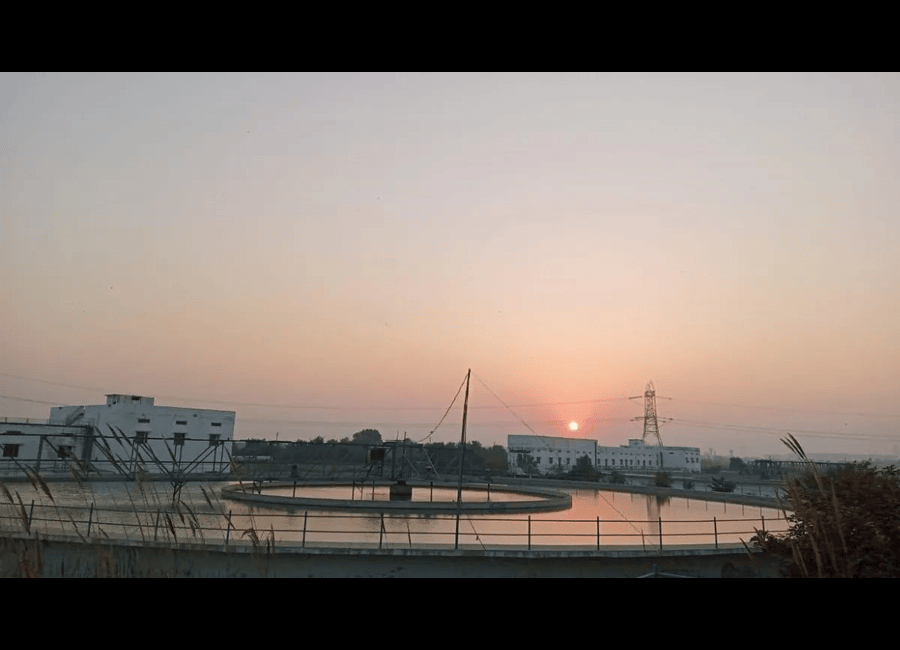
The sewage treatment plant (STP) on Rathdhana Road in Sonepat has a capacity of 30 MLD, but it receives 40–50 MLD of industrial waste and city sewage. Due to overload, 10–20 MLD of untreated wastewater is being discharged directly into DD-6. Some plant employees claim that the industrial waste is so toxic that it could damage the STP, which is why it is diverted into the drain. A few months ago, an officer of the Haryana Pollution Control Board was suspended for submitting incorrect reports.
Several sections of DD-6 are damaged, and during overflow, polluted water spills into the parallel DD-8 drain. Water for Delhi from the Western Yamuna Canal is carried through DD-8, which meets the Yamuna near Palla. This increases ammonia levels in the Wazirabad reservoir, adversely affecting the Wazirabad and Chandrawal water treatment plants and disrupting water supply to large parts of the city.
The Haryana irrigation department had previously claimed that they built a wall between the two drains to prevent mixing, but the wall’s low height allows overflow water from DD-6 to enter DD-8. In July 2024, a large number of fish died in the Yamuna near Burari, and investigations linked this to the polluted discharge from DD-6. The NGT sought reports, and the Delhi Jal Board held DD-6 responsible.
The National Mission for Clean Ganga (NMCG) has directed Haryana to immediately cover DD-6 to prevent sewage and industrial waste from entering DD-8. An affidavit on this has been submitted to the NGT. Haryana has also been asked to submit monthly water quality reports for DD-8.
To resolve the issue permanently, a 7-km pipeline costing ?35 crore is being laid parallel to DD-8, from Barota to Piau Maniyari. According to Executive Engineer Ravindra Kumar, 60% of the work is completed. This pipeline will divert polluted water to the Bankner drain, where it will be treated in an STP before entering the Yamuna. Officials expect this to eliminate the long-standing problem.
 Admin
Admin


Comments
No more comments to display.