Cold Winds from Northwest Bring Chill, Winter Knocks at the Door
Media Report, Sonipat-
Cold northwesterly winds have suddenly changed the weather pattern, causing a steady drop in both daytime and nighttime temperatures. According to the Meteorological Department, another western disturbance is expected next week, which may further reduce the temperature. However, there has been no improvement in air pollution levels.
The fall in temperature has brought some relief to farmers, as wheat sowing has gained momentum. While the National Capital Region remains dry, the changing weather in the hilly areas is now beginning to impact the plains as well. Western disturbances are expected to become active around November 17 and 21.
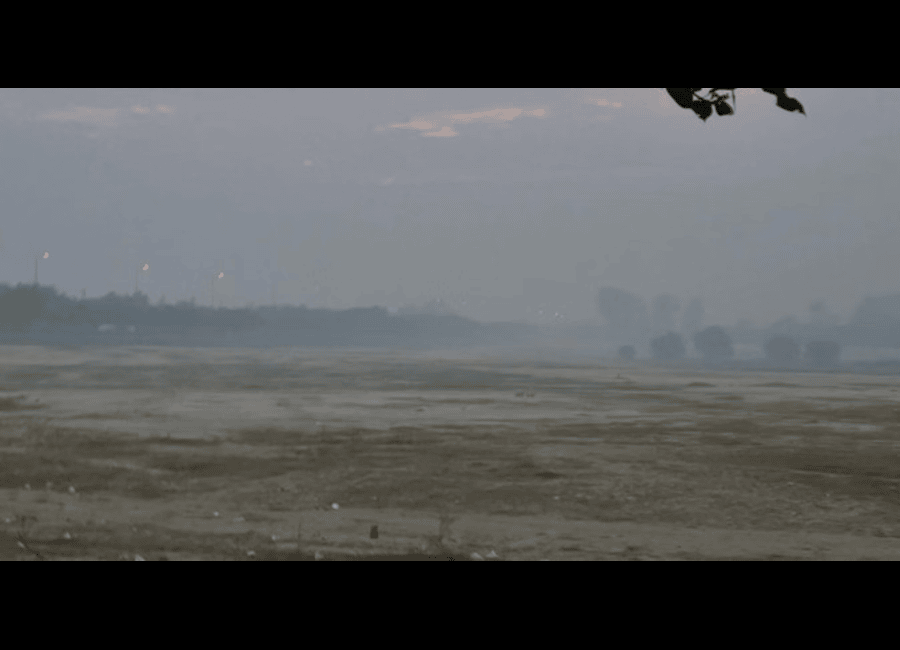
Despite strong winds blowing at a speed of about 11 km/h, the air pollution situation remains concerning. On Sunday, Sonipat’s Air Quality Index (AQI) was recorded at 251 for the third consecutive day — still in the ‘poor’ category, while private monitoring sites reported it as high as 324.
Meanwhile, the rabi season has picked up pace with the onset of cold winds. So far, over 50,000 hectares of land in the district have been sown with wheat. The Agriculture Department reports that every year, wheat is cultivated on around 1.45 lakh hectares. The drop in temperature has created favorable conditions for wheat growth, while mustard and other rabi crops are also being planted rapidly.
Meteorologist Dr. Premdeep from KVK Sonipat stated that continuous northwesterly winds are likely to intensify the cold in the coming days, and the ongoing wind flow could eventually help improve the air quality index.
 Admin
Admin


Comments
No more comments to display.